


Legalizing documents is something many people only encounter when they have plans abroad. Whether it’s studying, working, emigrating, or doing international business, in many cases official documents must first be legalized. But when exactly is this necessary? And how do you know if your situation applies?
In this article, we explain when you need to legalize documents and what to keep in mind.
What does document legalization mean?
Legalizing documents means that an official document is verified for authenticity so it can be used abroad. Foreign authorities want to be sure that a document comes from a competent authority and that its contents are reliable.
Without legalization, there is a risk that your document will not be accepted. This can lead to delays in, for example, an application or procedure.
When is legalization required?
In most cases, legalization is required as soon as you want to use an official document in another country. This applies to both individuals and businesses.
A common situation is when you are going to study abroad. Educational institutions often request legalized diplomas and transcripts. When working abroad, an employer may also ask for verified documents.
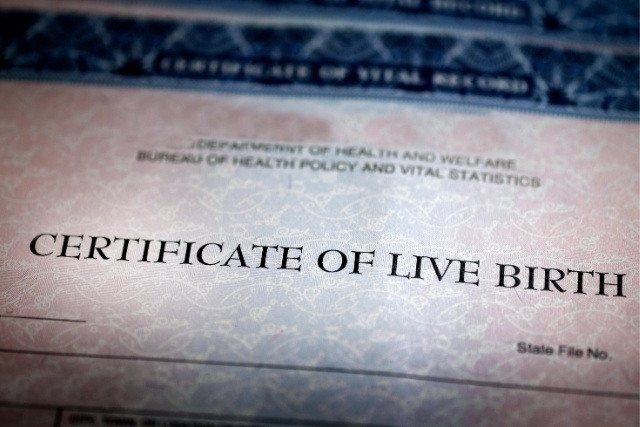
Legalization also plays an important role in emigration. Think of documents such as birth certificates, marriage certificates, or certificates of unmarried status. These documents often need to be legalized before they are accepted by foreign authorities.
Legalization is usually also required for getting married abroad. Governments want certainty about your identity and marital status, which is why your documents must be officially verified.
For businesses, legalization may be necessary in international collaborations—for example, when you want to use contracts, incorporation documents, or other business papers abroad.
Is legalization always mandatory?
Not in all cases. It depends on the country and the authority requesting the document. Some countries have agreements that allow documents to be accepted more easily through an Apostille stamp. In other cases, stricter rules apply and multiple steps are required.
Because these rules vary by country and change regularly, it is not always easy to determine what is needed. This often leads to uncertainty about whether documents need to be legalized.
What should you pay attention to?
When dealing with legalization, there are several important points to consider. It is essential to use the correct type of document. In some cases, an original document is required, while in others a recent copy is sufficient.
The order of the steps is also important. Depending on the country, you may need to obtain a specific confirmation before proceeding to the next authority. It may also be necessary to have a document translated by a sworn translator.
A small mistake in the process can result in your document not being accepted, leading to delays and additional costs—something you naturally want to avoid.
Why do many people choose to outsource document legalization?
Although it is possible to legalize documents yourself, in practice the process is often more complicated than expected. You need to figure out which steps are required, contact different authorities, and take into account country-specific requirements.
This not only takes time but also involves risks. Skipping a step or following the wrong order can affect your application.
That is why many people choose to outsource document legalization to a specialist like JuridConsult.
How JuridConsult helps you
JuridConsult guides you through the entire legalization process, regardless of your situation. Whether you are a student, expat, private individual, or entrepreneur, your specific request and the requirements of the destination country are carefully assessed.
Based on this, the necessary steps are determined and the entire process is handled for you—from checking your documents to obtaining the required legalizations.
This means you don’t have to visit multiple authorities yourself, and you can be sure the process is handled correctly. It saves time and prevents mistakes.
Conclusion
You need to legalize documents when you want to use official papers abroad. The exact requirements depend on the country and the authority requesting the document.
Because the rules vary and the process can be error-prone, many people choose to outsource it. With the help of JuridConsult, document legalization is handled in a simple and reliable way, allowing you to focus on your plans abroad.