


When you want to use documents abroad, you will quickly face the question: where can I have my documents legalized? The answer is not always straightforward, as it depends on the type of document and the country where it will be used. In this article, we explain step by step where to go and how the process works.
What does it mean to legalize documents?
Before discussing locations, it’s important to understand what legalization involves. Legalizing documents means that an official document is verified for authenticity so that it is legally valid abroad. Foreign authorities want to be sure that a document is reliable and issued by a competent authority.
This is usually done with a stamp or certificate, such as an apostille or a more extensive legalization process involving multiple authorities.
Where can you legalize documents in the Netherlands?
In the Netherlands, several authorities are involved in the legalization of documents. The exact steps depend on the type of document and the country where you want to use it. Because this varies per situation, the process can quickly become unclear.
In many cases, the process starts with the authority that issued the document, such as the municipality for civil registry extracts. After that, several additional steps are often required. For many countries, an apostille is issued by a court, while in other cases the Ministry of Foreign Affairs and even an embassy or consulate may also be involved.
What makes this process complex is that each step must meet specific requirements. The order is important, documents may need to be signed or translated first, and the rules differ per country. As a result, it is not always immediately clear which route you should follow.
Although it is possible to handle this process yourself, many people find in practice that it is time-consuming and prone to errors. A missing step or incorrect order can result in your document being rejected, forcing you to start over.
That is why more and more people choose to outsource document legalization. JuridConsult is familiar with the procedures and knows exactly which authorities are required for your situation.
Different situations, different routes
Legalizing documents is not a standard process that is the same for everyone. For example, students going abroad may need to legalize diplomas and transcripts, while businesses often deal with trade documents or contracts.
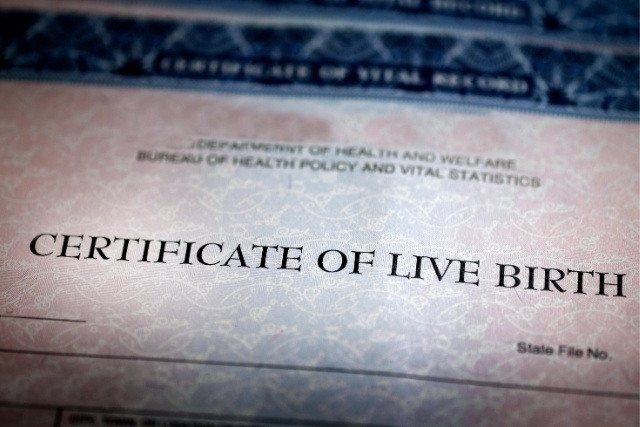
Private individuals who are emigrating or getting married abroad often need different documents, such as birth certificates or certificates of unmarried status. For each type of document and each country, requirements may vary, so it is important to know in advance which steps to take.
Another factor is whether a document needs to be translated. In many cases, a document must first be translated by a sworn translator before it can be legalized. In other situations, legalization must come first, followed by translation. The order is crucial.
Why can the process be complicated?
Many people underestimate how complex document legalization can be. You may have to deal with multiple authorities, different requirements per country, and strict rules regarding the order of steps. A small mistake—such as an incorrect signature or a missing stamp—can result in your document being rejected.
This means you may have to start over, leading to delays and additional costs. Especially when you are dealing with deadlines, such as for studies or emigration, this can cause significant stress.
How JuridConsult helps you
JuridConsult assists you with the entire legalization process from start to finish. Instead of figuring out where to go and which steps to follow, you can rely on specialists who know exactly how the process works.
It starts with checking your documents. Based on this, the required route and involved authorities are determined. JuridConsult can then handle the entire process for you, including obtaining apostilles and legalizations from the appropriate authorities.
They also take into account the specific requirements of the country where your documents will be used. This helps prevent errors and ensures everything is handled correctly.
Conclusion
The question “where can I legalize documents?” does not have a single clear answer. In the Netherlands, you may need to visit various authorities, such as municipalities, courts, the Ministry of Foreign Affairs, and sometimes embassies. The exact route depends on your document and the destination country.
Because the process can be complex and varies per situation, it is often wise to outsource it. With the help of JuridConsult, document legalization becomes much easier, and you can be sure everything is arranged properly.